
Final Prayer Review (Film, 2013)

content warning: foul language, alcohol use, drug use, smoking, animal violence, blood
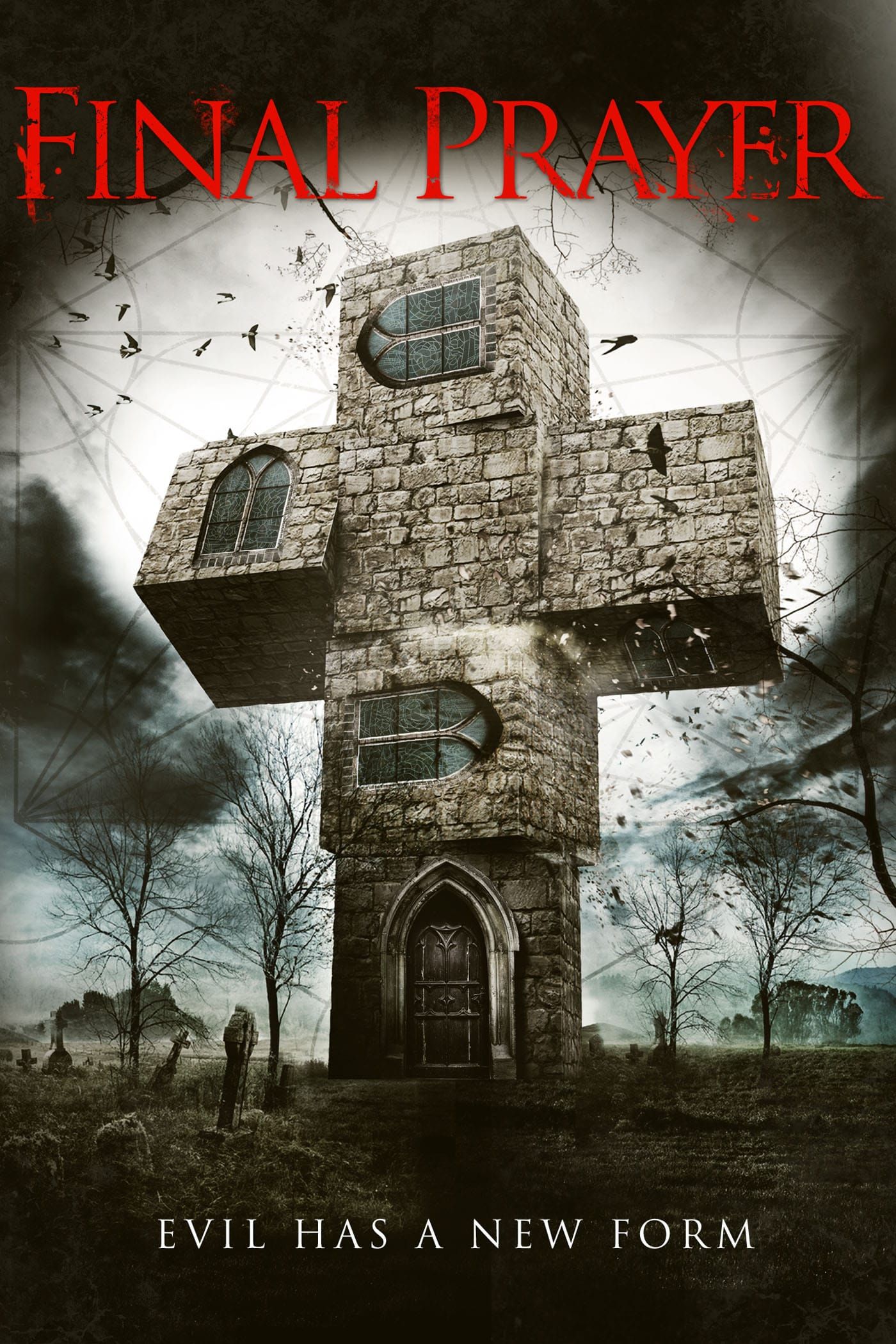
Final Prayer is a found footage horror film about Vatican investigations into potential miracles. The film opens with police raiding a church in Brazil, digging through false walls and shrines to find hidden speakers and wires. We then meet Gray, a tech specialist hired to setup cameras and mics for the Vatican’s investigation into a remote village somewhere in the UK. He’s joined by a Deacon, an experienced and jaded investigator into these occurrences. Gray explains how everyone involved has to constantly wear a camera and microphone at all times to keep track of everything that happens. If the Vatican is sending representatives to investigate irregularities, then the Vatican is going to make sure any potential misstep that can discredit their work is going to be preserved as evidence.
Writer/director Elliot Goldner has a strong handle on the found footage conceit to the film. In an error where shaking the camera aggressively became synonymous with scary, Goldner directs an even and believable sense of movement and amateur recording in Final Prayer. It really comes down to the headset cameras. An actor isn’t going to shake their head senseless to create the dazzle camouflage of excessive shaking to hide inaction in a screenplay. Instead, there will be a more authentic reaction and a natural headbob like a well programmed horror game. The final edit uses quite a bit of footage from the cameras mounted to the walls in the different settings, taking advantage of the unease created by the overhead security angle without, again, shaking the camera like dice at a Craps table for effect. It’s a more mature approach to found footage that is far more common in 2025 than it was in 2013.
Cliche can have such negative connotations in media criticism, but I never find a cliche bad in horror on face value. There have been so many horror films in so many different genres that some of these cliches have become essential tropes within the genre.
The Deacon exemplifies this. I can think of 30 religious horror films off the top of my head that feature a gruff, skeptical religious figure being asked to confront what could be a genuine paranormal experience. The existence of that role is part of the DNA of religious horror. A skeptical priest (or in this case, deacon) is more keystone than cliche if a horror story exists to confront whether or not a miracle or a possession or whatever mystical cause has required an authority figure to see what’s really happening. Religious horror, in particular Catholic horror like Final Prayer, requires the buffer of a skeptic to add a grounded, more believable reaction to what’s happening. Saying “yes, this is definitely a miracle” and not questioning it creates no tension; saying “oh, it looks real, but so did the child with stigmata whose mother was stabbing her daily for the effect” makes the audience question what’s really going on. Religious horror needs skepticism to reach its full potential, even if that skeptical father is a trope as common as a before the credits death in a slasher or a harbinger warning travelers away from evil.
Elliot Goldner knows his stuff. Final Prayer hits all the right beats to work as a found footage religious horror film. The actors are believable in the roles. The settings look real. The paranormal occurrences of questionable authenticity genuinely feel like they could go either way. Final Prayer is grounded in both the expectations of its genre and the reality of the world.
I have to make special note of the quality of dialogue in the film. Goldner’s screenplay feels like real conversations between real people. Sure, we’re not all debating whether or not the Vatican needs 24/7 surveillance to investigate if a strange occurence during a Baptism is actually a miracle or a hoax, but the presentation of the debate is as natural as a couple of coworkers talking about a recent client meeting or getting a couple drinks to discuss the latest ball game.
Final Prayer does fall victim to a trend of the 2010s that has mostly been phased out of horror filmmaking: near total darkness. There are night scenes in this film where I can only tell something happened onscreen because the closed captioning mentioned a sound effect. You can present dark scenes in a horror film without color grading everything to total darkness. It’s not mysterious; it’s distracting. These moments can actually cut the tension in a film by pushing the audience to question what they’re missing more than anticipate what might be happening beyond their reach.
This is balanced out quite nicely by another found footage trend used very well: the feedback. The failure of technology throughout the film starts to tell its own story without beating you over the head with it. The digital cameras do that terrifying-to-video-makers freezing static, with different colored squares overtaking the footage and interfering with the shot. This is sprinkled onto some key moments in the film for foreshadowing and it works very well. Found footage is not a genre known for its subtlety and Goldner conducts it like a symphony.
Final Prayer is not a bad film by any stretch of the imagination. There are some genuine scares throughout the film. The story is strong and the acting is far better than typically seen in a found footage horror film. The few moments of near-darkness do not curse the film to cinematic damnation.
Final Prayer was accessed through Tubi.